
Cross-contour drawing practice
Draw the Unseen
Every form has a back side you can't see. Wrap it in loops until you can.
Try it · one loop
Wrap the form
A cross-contour loop is the line a slice through the form would leave on its surface. Draw one around the middle of this cylinder, including the half that turns away from you. Then compare it with the real one.
Solid lines are the parts you can see. Dashed lines are hidden behind the form.

For every level
Designed for artists of all levels
This tool helps you practice constructing 3D shapes by drawing cross contour lines within a set time limit.
Fundamentals
Start Simple, Master Complex
Understanding and drawing complex shapes begins with mastering simple forms. By using this tool, you'll gain a deeper understanding of form from the inside, improving your ability to visualize and create 3D structures.
01 / Cube
Loops on a box are its sections: straight on each face, turning at every edge.
02 / Sphere
Every loop is an ellipse. They thin out as they approach the silhouette.
03 / Cylinder
Keep each loop parallel to the end caps, not to the page.
04 / Cone
Loops shrink toward the tip but keep the tilt of the base.
05 / Anything
Then the same thinking on generated forms, against the clock.
Start Drawing
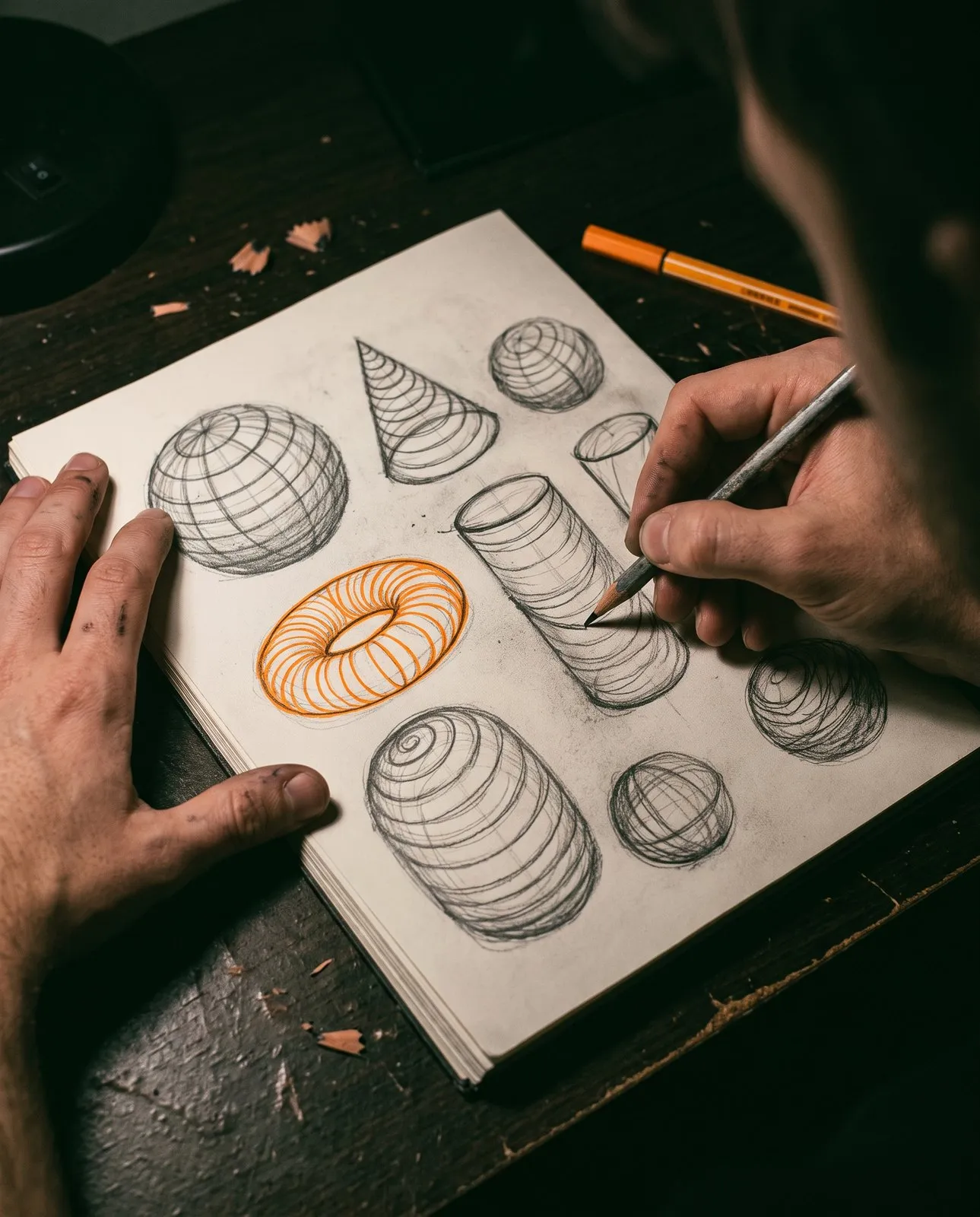
Generated forms
New Shapes for Every Practice!
Every time you practice, a new image of shapes is generated just for you from our exclusive 3D assets, ensuring a unique experience that allows you to explore and refine your artistic skills.
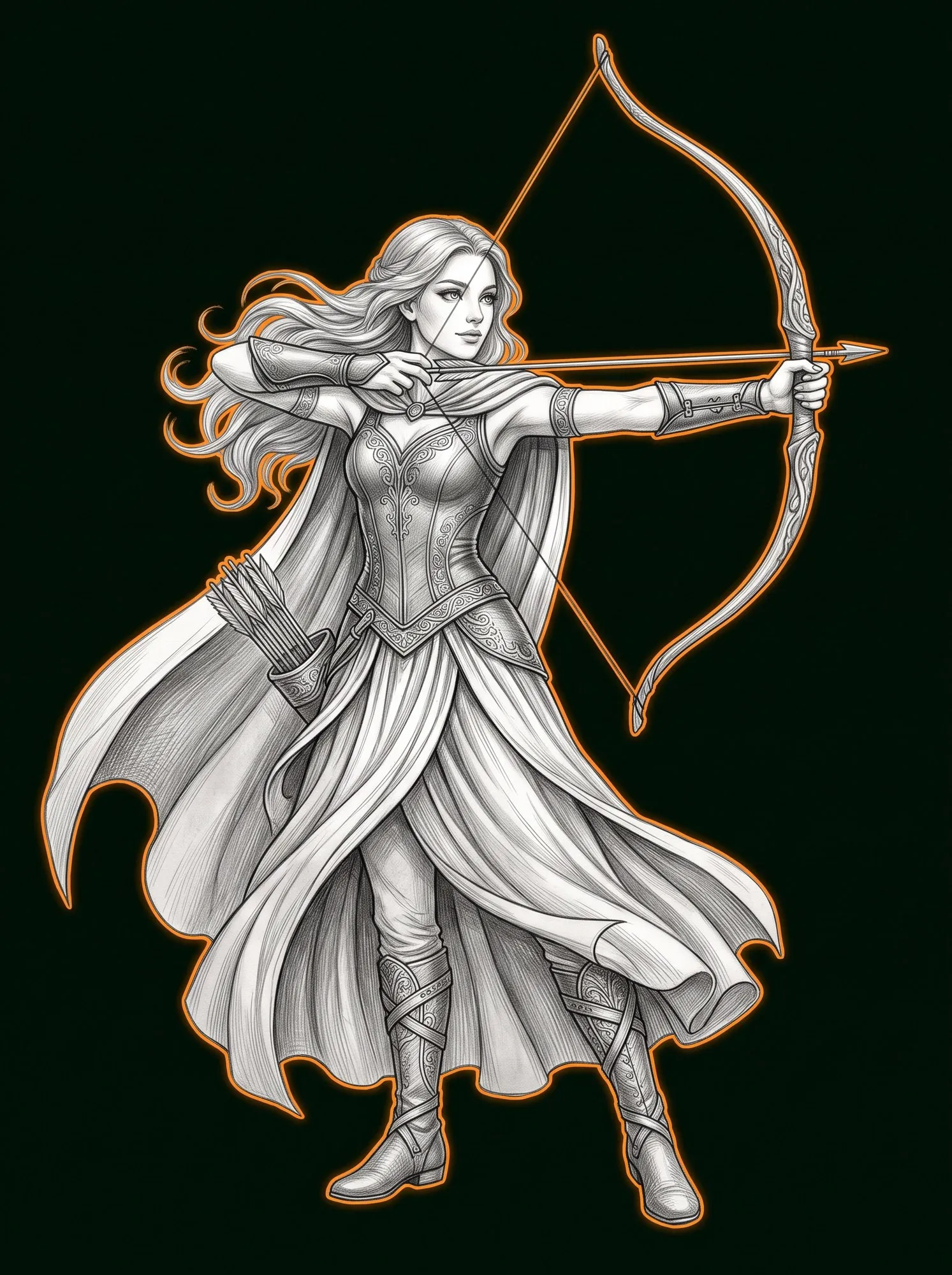
Construction
Enhance your construction skills
Regular practice with this tool will boost your construction skills, which are essential for both 2D and 3D art.
Move over the drawing to see what holds it up.
Start Practicing